



Supporting teachers/educators who shape minds, hearts, and futures!
Personal Goals and Dreams
Helping Young People Find Direction and Purpose in Life
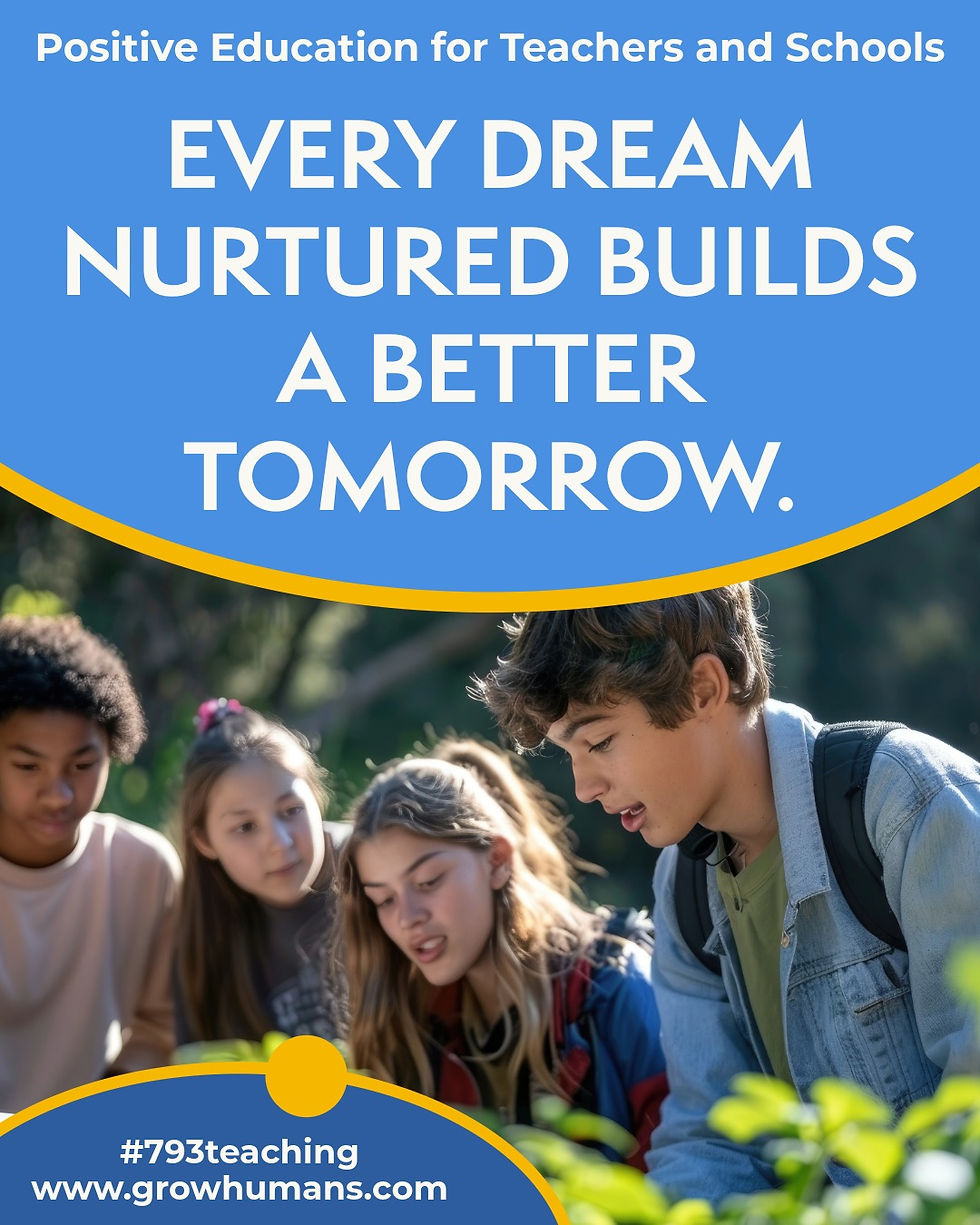
Every young person carries within them a quiet dream — a spark of curiosity, a wish, a vision of who they might become.
When education supports those dreams, learning becomes more than memorizing facts — it becomes discovering purpose, hope, and direction.

Personal goals and dreams give shape and meaning to our lives. They motivate us to learn, grow, and contribute to the world in ways that feel deeply authentic.
As human beings, we flourish when we follow our own goals and dreams — not those imposed upon us by others. That doesn’t mean rejecting guidance or responsibility; it means learning to align them with our own inner compass.
When young people learn to dream, set goals, and pursue them with purpose, they become more engaged, confident, and fulfilled — both now and later in life.
Why Personal Goals and Dreams Matter
Goals give direction; dreams give life meaning.
When young people develop and follow their own goals and dreams, they build motivation, self-awareness, and resilience. They learn to look forward with hope — and to see challenges as steps on the path to something that matters to them.
Research in positive psychology shows that setting and pursuing personal goals leads to greater life satisfaction, perseverance, and well-being. It helps children and youth develop autonomy, purpose, and a sense of agency — the belief that they can shape their own lives.
When goals come from within, effort becomes joy. And when young people see progress toward something they value, confidence and self-esteem grow naturally.
Why It Belongs in Education
Education is not only about what young people should learn — it’s also about why they learn.
Supporting personal goals and dreams in education means:
Encouraging curiosity, exploration, and self-reflection.
Helping students identify strengths, interests, and values.
Teaching how to set realistic, achievable, and meaningful goals.
Celebrating effort and progress, not just outcomes.
Guiding students to connect their dreams with contribution to others and society.
When schools give students space to dream, plan, and reflect, learning becomes deeply personal. In that space, young people begin to see education not as a demand, but as a bridge toward their own possibilities.
Developing Personal Goals and Dreams Through the Ages
Infancy (0–3 years): Discovering Curiosity and Autonomy
Even the youngest children show preferences — reaching for what they want, exploring what interests them.
Teacher’s role: Providing safe opportunities for exploration and decision-making. Encouraging curiosity and self-initiated activity.
Preschool Years (4–6 years): Imagining Possibilities
Preschoolers dream freely — imagining themselves as explorers, doctors, artists, or superheroes.
Teacher’s role: Supporting imagination and self-expression. Asking open-ended questions such as, “What do you like to do?” and “What would you like to learn next?”
Early School Years (7–10 years): Setting Simple Goals
Children begin to understand that effort leads to improvement and that goals can be achieved step by step.
Teacher’s role: Helping them set small, achievable goals and reflect on progress (“What helped you succeed?”). Encouraging pride in effort.
Tween Years (11–13 years): Building Self-Understanding
Preteens explore who they are and what they care about. They begin to compare themselves with others and to seek meaning and direction.
Teacher’s role: Encouraging self-reflection, journaling, and exploration of strengths. Helping students link effort with long-term outcomes.
Teenage Years (14–18 years): Defining Dreams and Purpose
Adolescents search for identity and direction. They begin to imagine their future selves and the kind of life they want to lead.
Teacher’s role: Supporting goal-setting and planning. Providing mentorship, role models, and opportunities to connect dreams with real-world learning and service.
How Everyone Benefits
When we help young people discover and follow their personal goals and dreams, we help them find purpose, confidence, and hope.
Children and youth develop motivation, self-awareness, and a sense of direction — essential foundations for happiness and lifelong fulfillment.
Educators experience greater engagement, authenticity, and inspiration in their work, as learning becomes more meaningful for both students and themselves.
When young people dare to dream — and believe they can make those dreams real — they step into their potential. And when teachers nurture those dreams with curiosity, courage, and care, they help build a generation ready not just to succeed, but to thrive.



© Kristijan Musek Lešnik, 2025
© dr. Kristijan Musek Lešnik & Aparenttly.
Like our articles and posters? Sharing is welcomed — just tag @Aparenttly.
Reposting or reproduction without credit is not permitted.

