



Supporting teachers/educators who shape minds, hearts, and futures!
Conflict Resolution Skills
Learning to Understand, Communicate, and Find Common Ground
Teaching young people conflict resolution skills that turn tension into empathy, self-control, and respect helps them grow into balanced, compassionate adults.

Wherever people live, work, and learn together, differences will arise. Opinions, needs, and goals don’t always align — and that’s natural. What matters most is not whether conflict appears, but how we handle it.
Conflict resolution skills are the abilities that help us manage disagreements respectfully and constructively. They involve listening, empathy, clear communication, and a willingness to find solutions that benefit everyone — the essence of win-win outcomes.
Because we are social beings, conflicts are part of our shared human experience. Learning to resolve them peacefully helps us preserve relationships, strengthen trust, and create environments where everyone feels valued.
Why Conflict Resolution Skills Matter
Conflict is not always negative — it can be an opportunity for growth, understanding, and creativity.
When young people learn how to express needs calmly, listen to others, and search for fair solutions, they develop emotional maturity and social competence.
Poor conflict management, on the other hand, can lead to anger, frustration, exclusion, and even violence. But when handled well, conflict teaches empathy, patience, and problem-solving — skills that serve throughout life.
Research shows that children and youth who learn positive conflict resolution early develop stronger relationships, better teamwork, and higher well-being as adults. They are more likely to handle stress calmly, communicate effectively, and build cooperation instead of confrontation.
Why It Belongs in Education
Preschools and schools are microcosms of society — full of relationships, opinions, and emotions. Conflict will inevitably appear among students, and sometimes even between students and adults.
Supporting conflict resolution in education means giving young people the tools to understand differences, manage emotions, and build bridges instead of walls.
Teaching conflict resolution includes:
Encouraging open and respectful communication.Helping students identify emotions and needs — their own and others’.
Guiding them through steps of peaceful problem-solving.
Modelling calm, fair, and empathetic responses in daily life.
When conflict is treated not as a failure but as a natural part of human connection, classrooms become safer, kinder, and more cooperative communities.
Developing Conflict Resolution Skills Through the Ages
Infancy (0–3 years): Learning from Emotional Regulation
Babies and toddlers learn about conflict through everyday frustrations — waiting, sharing, and setting limits.
Teacher’s role: Modelling calm responses, comforting emotions, and showing that needs can be met safely without aggression.
Preschool Years (4–6 years): Sharing and Turn-Taking
Preschoolers begin to experience conflicts over toys, attention, or fairness. These are opportunities to learn empathy and compromise.
Teacher’s role: Guiding young people in expressing feelings, using words instead of aggression, and finding fair solutions together.
Early School Years (7–10 years): Understanding Perspective
Children and youth start to realize that others may think or feel differently. They begin reasoning about fairness and mutual respect.
Teacher’s role: Teaching perspective-taking, listening skills, and structured problem-solving steps (“I feel… when… because…”). Encouraging apologies and making amends.
Tween Years (11–13 years): Managing Emotions and Peers
Preteens face peer pressure, misunderstandings, and emotional intensity. Conflicts become more social and complex.
Teacher’s role: Teaching emotional regulation, fostering assertive (not aggressive) communication, and promoting negotiation skills. Encouraging empathy and calm reflection.
Teenage Years (14–18 years): Negotiating Values and Boundaries
Adolescents explore independence, identity, and belonging — and may challenge authority or norms.
Teacher’s role: Modelling respect and open dialogue. Teaching active listening, mediation, and constructive debate. Encouraging responsibility for words and actions.
How Everyone Benefits
When students learn to resolve conflicts peacefully, everyone wins.
Children and youth develop empathy, patience, and problem-solving — essential for healthy relationships, teamwork, and emotional balance.
Educators experience calmer, more respectful classrooms, fewer behavioral issues, and stronger relationships with students.
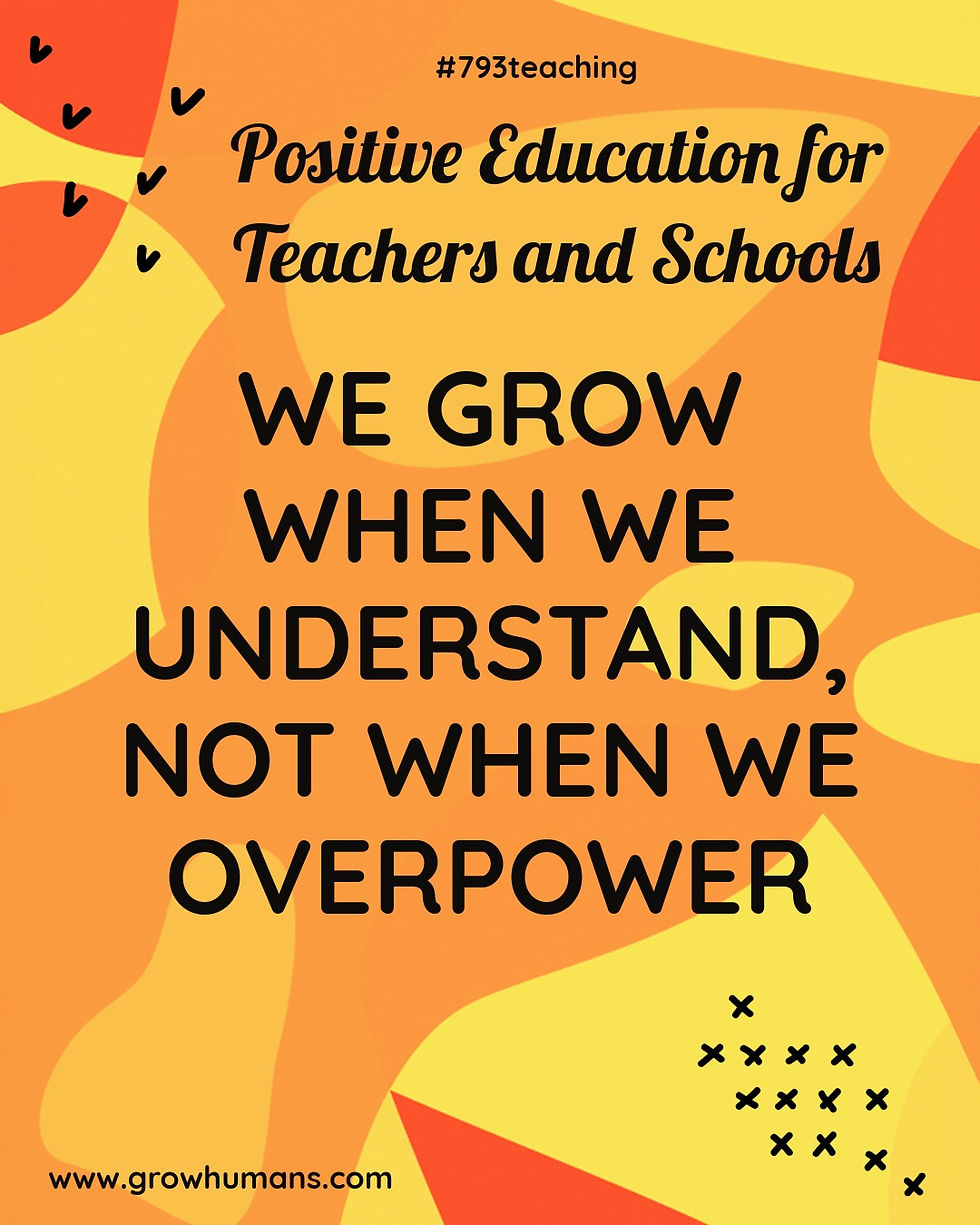
Conflict resolution skills turn tension into understanding and difference into growth. Ultimately, teaching young people how to navigate disagreements with respect and care is not just about avoiding fights — it’s about helping them become wise, compassionate contributors to their communities.


© Kristijan Musek Lešnik, 2025
© dr. Kristijan Musek Lešnik & Aparenttly.
Like our articles and posters? Sharing is welcomed — just tag @Aparenttly.
Reposting or reproduction without credit is not permitted.

